TL;DR

Get workout gear delivered free — and shop member deals
- Fast, free delivery on millions of items
- Access to Prime Big Deal Days deals on October 6–7
- Prime Video, Amazon Music and more included
A nature walk isn’t just a pleasant escape; it actively reduces stress, boosts mood, and sharpens focus. Regular outings in green spaces support overall well-being through gentle movement and sensory renewal.
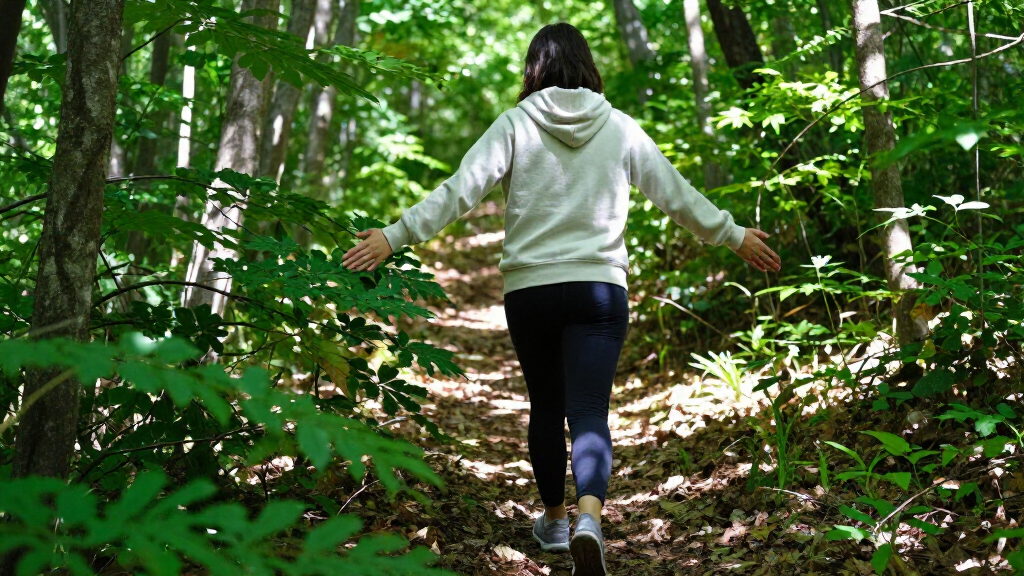
Picture this: a quiet park, the scent of fresh leaves mingling with the earthy aroma of damp soil. You step onto a path, your footsteps soft against the gravel, and suddenly, the constant buzz of daily demands begins to fade. Nature walks are more than just pleasant exercise—they’re a powerful way to reset both your body and your mind. In this guide, you’ll learn how a simple stroll outdoors can reduce stress, boost mood, and sharpen your thinking. No need for intense workouts or remote wilderness—just a safe, accessible green space nearby can do the trick.
Whether you’re feeling overwhelmed, sluggish, or stuck in mental ruts, nature walks offer an easy, sustainable way to support your overall well-being. We’ll explore what makes these walks so effective, backed by recent research, and share practical tips to help you incorporate them into your routine. Get ready to discover a natural, gentle approach to feeling better—inside and out.
A 20-minute walk in a green space can lower cortisol levels by up to 15%, calming your nervous system.
Regular outdoor walks support emotional balance, boost mood, and reinforce healthy sleep rhythms.
Gentle movement combined with sensory engagement improves circulation, cognition, and creativity.
Making outdoor walking a daily habit is more effective than occasional long outings for long-term well-being.
Mindful attention to textures, sounds, and smells turns a simple walk into a powerful mental reset.
How Nature Walks Reset Both Body and Mind
A simple walk through a park, garden, waterfront, or tree-lined street combines gentle movement, daylight, sensory renewal, and psychological distance from daily demands.
“Step outside, and let the world become wider than the problem.”
Potential cortisol reduction after green-space exposure.
Minutes can create a practical reset.
Approximate calories from a typical 15-minute walk.
Consistency usually beats occasional intensity.
One walk, several restorative systems.
Nature walks work through a bundle of small inputs rather than one dramatic intervention. The result is a gentler way to support recovery.
Calmer nerves
Natural surroundings may reduce perceived stress, rumination, heart rate, and the intensity of the fight-or-flight response.
Lifted mood
Daylight, fresh air, sensory variety, and regular movement can support emotional balance and healthy circadian rhythms.
Clearer thinking
“Soft fascination” gives directed attention a break, creating room for concentration, creativity, and problem-solving.
From overload to a more available mind.
Movement and sensory attention work together. The walk does not need to be remote, strenuous, or perfectly mindful to be worthwhile.
Leave the loop
Distance from screens, tasks, and familiar demands creates psychological space.
Move gently
Rhythmic walking supports circulation, mobility, heart health, and blood-sugar regulation.
Notice more
Birdsong, textures, scents, colors, and changing light invite effortless attention.
Return renewed
A calmer body and refreshed attention can make the next task feel more manageable.
Small inputs, visible shifts.
Research is increasingly examining nature exposure as a public-health and workplace-wellness tool. Outcomes vary by person and setting.
The “right” walk is the one you can return to.
Duration matters, but frequency, setting, accessibility, and attention shape the experience too.
| Walking pattern | Likely value | Best use | Watch for |
|---|---|---|---|
| 10–20 minutes | ✓ Useful reset | Stress break or post-meal movement | ~ Keep it repeatable |
| 30 minutes, several times weekly | ✓ Strong routine | Mood, daylight, fitness, and sleep support | ✓ Schedule it |
| Occasional long outing | ~ Immersive | Leisure, exploration, social connection | ✗ Not a substitute for routine |
| Busy urban route | ~ Variable | Accessible daily movement | ✗ Noise, pollution, safety |
Turn a pleasant idea into a durable habit.
The most effective plan is specific enough to start and flexible enough to survive weather, workload, and changing energy.
Build the ritual
- 01Pick a safe, nearby route with trees, water, gardens, or open sky.
- 02Start with 15–20 minutes at a comfortable pace.
- 03Use a lunch break, commute edge, or after-work transition as your cue.
- 04Walk with another person when social connection would help.
Deepen the reset
- 05Notice three textures, two sounds, and one scent without multitasking.
- 06Leave room for changing light, weather, and an unhurried pace.
- 07Keep phone use minimal if you want maximum immersion.
- 08Adjust for allergies, pollution, terrain, pain, or accessibility needs.
What counts as enough?
There is no single perfect prescription. Start with a route and rhythm that feel safe, useful, and realistic.
How long should I walk?
Even 10–20 minutes can provide a useful break. Longer walks may add exercise and immersion, but regularity matters more than a perfect duration.
Does a city park count?
Yes. Urban parks, tree-lined streets, gardens, waterfronts, and quiet greenways can all provide restorative exposure.
Can it replace treatment?
No. Nature walks can complement care, but significant depression, anxiety, sleep problems, pain, or medical limitations deserve professional guidance.
Why Nature Walks Calm Your Nerves and Reduce Stress
Natural environments have a calming effect on our nervous system, making stress and anxiety melt away. When you walk among trees, flowers, or water, your body shifts from the fight-or-flight response to a more relaxed state. This process involves a reduction in stress hormones like cortisol and adrenaline, which are elevated during periods of perceived threat or mental overload. By engaging with green spaces, you activate the parasympathetic nervous system—the part responsible for rest and digest—leading to physiological changes like lowered heart rate and blood pressure. These changes aren’t just temporary; they help create a baseline of calm that can improve resilience to future stressors.
Understanding this connection clarifies why frequent exposure to natural settings can serve as a form of self-care. It’s not merely about feeling good in the moment but about training your nervous system to recover more quickly from stress. The tradeoff is that if you’re in a highly stressful environment or have limited access to green spaces, the calming effects might be less pronounced. Nonetheless, even short, regular walks in urban parks can produce measurable reductions in stress hormones, making them a practical, accessible tool for managing daily stress.
As an affiliate, we earn on qualifying purchases.
How Nature Walks Lift Your Mood and Boost Happiness
Walking outdoors can support feelings of calm, vitality, and emotional balance. Exposure to daylight helps regulate your circadian rhythms, which in turn influences your mood. When you walk in a park or along a quiet street lined with trees, you may notice a gradual lift in your spirits—especially if you make it a regular habit. An anonymous study reports that people who spend at least 30 minutes in green environments experience increased levels of serotonin, the brain’s feel-good chemical. This isn’t just about temporary happiness; it’s about fostering a sustained sense of emotional well-being.
The sensory input from natural environments—vivid colors, fresh scents, gentle sounds—acts as a form of emotional nourishment. These stimuli can distract you from ruminative thoughts and negative patterns, creating space for positive feelings to emerge. Over time, integrating outdoor walks into your routine can help rewire your emotional responses, making you more resilient to stress and sadness. The key is consistency: making these walks a regular part of your life maximizes their mood-boosting potential and can serve as a natural antidote to emotional lows.
Practical step: schedule a 30-minute walk a few times a week in a nearby park or green space. Use this time not just for exercise but as a mental health ritual—notice your surroundings, breathe deeply, and allow yourself to fully experience the moment. Over time, this practice can become a cornerstone of your emotional self-care toolkit, helping you cultivate sustained happiness and emotional balance.
As an affiliate, we earn on qualifying purchases.
The Gentle Power of Movement: How Walking Supports Your Heart and Blood Sugar
Walking is a gentle form of cardiovascular exercise that improves circulation, mobility, and blood sugar regulation. You don’t need to be an athlete—just 10 to 20 minutes of brisk walking can strengthen your heart and help maintain a healthy weight. For example, a typical 15-minute walk burns about 70-100 calories, depending on your pace and body weight, and can lower blood sugar levels after meals.
Picture yourself in a leafy neighborhood, strolling at a steady pace. Your legs move rhythmically, and you feel the cool breeze against your skin. This simple activity increases blood flow, promotes better oxygen delivery, and supports overall cardiovascular health without stressing your body. Regular walks like this can be a cornerstone for maintaining energy and preventing chronic conditions. The tradeoff is that consistency is key—occasional walks won’t have the same impact as daily or near-daily routines. Incorporating walking into your daily schedule, even in small doses, can lead to meaningful health improvements over time.
Practical tip: set a daily reminder to take a 15-minute walk, perhaps during lunch or after work. Use a comfortable pace to ensure you’re engaging enough to elevate your heart rate without overexertion. Over weeks and months, these small habits compound, reducing your risk of heart disease, diabetes, and other chronic illnesses, while also supporting mental clarity.
nature sound machine for relaxation
As an affiliate, we earn on qualifying purchases.
As an affiliate, we earn on qualifying purchases.
Attention Restoration: Why Nature Gives Your Brain a Break
Our brains get tired from constant focus, especially when we’re glued to screens or juggling multiple tasks. Nature walks provide a soft, varied stimulus—birds singing, leaves rustling, sunlight flickering—that helps restore your attention span. According to research, spending time in green spaces can improve concentration and problem-solving skills, especially after a mentally demanding day. This effect is linked to the concept of ‘soft fascination’—an effortless engagement with natural stimuli that allows the brain to recover from mental fatigue.
Imagine finishing a long day of work at your desk. You step outside, breathe deeply, and notice the way sunlight dances through the trees. This simple act of observing textures, sounds, and colors gives your brain a much-needed break, helping you feel refreshed and more capable of focusing on complex tasks afterward. To maximize this benefit, consider making short outdoor breaks part of your daily routine, especially after periods of intense mental activity. The more consistently you engage with natural environments, the more your capacity for sustained attention and problem-solving can improve, leading to greater productivity and mental resilience.
As an affiliate, we earn on qualifying purchases.
Better Thinking and Creativity Come from a Change of Scenery
Walking in nature can spark fresh ideas and improve your creative problem-solving. Movement combined with a change of environment encourages your brain to form new connections. An anonymous study found that people who took a walk outdoors scored higher on creative thinking tests than those who remained indoors. This is because natural environments provide diverse sensory input and a break from routine, which stimulate divergent thinking—the kind of thinking that leads to innovative solutions.
Imagine strolling through a quiet park, the vibrant greens and subtle sounds encouraging your mind to wander and make new associations. This mental shift is crucial when you’re stuck in repetitive routines or facing complex problems. The change of scenery acts as a cognitive reset, allowing your subconscious to process information in new ways. To harness this, schedule regular outdoor walks, especially when facing creative blocks or needing fresh perspectives. Over time, these walks can become an essential part of your problem-solving toolkit, fostering innovation and mental agility.
How Nature Walks Help You Sleep Better and Feel More Rested
Getting outside during the day, especially earlier in the afternoon, can help reinforce your natural sleep-wake cycle. Exposure to daylight and physical activity signals your body to produce melatonin at the right time, helping you fall asleep more easily at night. This process involves the regulation of circadian rhythms, which are sensitive to natural light cues. When your circadian rhythm is well-aligned, you experience more consistent sleep patterns, deeper sleep, and better overall rest. Conversely, insufficient daytime light exposure can lead to sleep disturbances and fatigue.
Imagine finishing a walk at sunset, the cool air and fading light signaling your body that it’s time to wind down. Establishing a routine of outdoor activity during daylight hours, even at a gentle pace, can reinforce your biological clock, making it easier to fall asleep and wake refreshed. The tradeoff is that inconsistent routines or excessive screen time late at night can disrupt this cycle. To optimize sleep, aim for regular outdoor walks in the earlier part of the day, and pair them with good sleep hygiene practices like limiting screen exposure before bedtime.
Practical tip: incorporate a 15-minute outdoor walk into your daily schedule, ideally in the morning or early afternoon. This helps set your circadian rhythm, leading to more restful sleep and increased daytime energy. Over time, these habits can significantly improve sleep quality, mood, and cognitive function.
Walking with Others: How Connection Amplifies the Benefits
Walking alongside friends, family, or even strangers can boost mood and strengthen relationships. Social connection during walks adds a layer of emotional support and enjoyment that solo outings might lack. When you walk with others, the shared experience can deepen your sense of community, reduce feelings of loneliness, and foster a sense of belonging—all of which are vital for mental health. Additionally, conversations during walks can stimulate your mind and provide new perspectives, further enriching the experience.
Think about a weekend walk with a loved one, sharing stories and laughter amid the rustling trees and bright sky. These moments of connection turn a simple walk into a meaningful experience, reinforcing social bonds and making the activity more enjoyable and sustainable. The tradeoff is that coordinating schedules and differing paces can sometimes pose challenges, but the emotional and psychological rewards often outweigh these logistical hurdles. To maximize benefits, plan regular walks with a friend or loved one, setting intentions to connect and share during the activity.
Becoming Mindful on Your Walk: How to Turn It into a Practice of Presence
Notice textures, sounds, scents, and colors during your walk. Mindfulness turns a routine activity into a calming ritual that anchors you in the present moment. When you focus your attention on sensory details, you activate the parasympathetic nervous system, which promotes relaxation and emotional regulation. This practice can help you detach from worries, reduce mental clutter, and cultivate a sense of calm that lasts beyond the walk.
Start with a few minutes of sensory observation—no multitasking, no distraction. For example, focus on the rough bark of a tree, the sweet smell of blooming jasmine, or the rhythm of your breath as you walk. As you deepen this awareness, you’ll notice a reduction in mental chatter and an increase in feelings of peace. Incorporate this practice regularly—perhaps at the start or end of your walk—to transform routine outings into powerful tools for mental clarity and emotional resilience.
Practical tip: set an intention to be present during each walk. Use a simple breathing exercise or sensory checklist to guide your attention. Over time, mindfulness during walks can strengthen your capacity for emotional regulation and provide a consistent mental reset amidst busy routines.
Making Your Nature Walks a Habit That Lasts
The most effective benefits come from regular, sustainable walks—shorter but consistent beats occasional long outings. Aim for 10-20 minutes daily or most days. Find a nearby park, quiet street, or greenway that’s easy to access, so it becomes a natural part of your routine. Consistency helps your body and mind anticipate and adapt to this activity, making it easier to sustain over time. The cumulative effect of regular walks can lead to significant reductions in stress, improved mood, and better physical health.
Practical strategies include setting a daily alarm as a reminder, inviting a friend to join, or pairing your walk with another habit—like listening to a favorite podcast or practicing mindfulness. Track your progress with a journal or app to stay motivated. The key is to start small, be patient, and recognize that even brief daily walks can build into a powerful self-care routine. Over weeks and months, these small steps create a resilient foundation for overall well-being, helping you manage life’s stresses more effectively.
Frequently Asked Questions
How long should I walk in nature to see benefits?
Even 10 to 20 minutes can provide noticeable stress relief and mood improvements. Regularity matters more than duration, so aim for daily or most-day walks if possible.Can I walk in a city park instead of a forest?
Yes. While forests might offer more quiet and biodiversity, urban parks and tree-lined streets still provide meaningful restorative benefits, especially if used regularly.Is it necessary to walk alone?
Not at all. Walking with friends or family can enhance emotional connection and make the activity more enjoyable. Both solo and social walks have unique benefits.Should I avoid my phone during walks?
Using your phone for safety or navigation is fine, but reducing notifications and resisting constant checking can help you stay present and maximize mental restoration.What if I dislike exercise?
Focus on sensory exploration—notice textures, sounds, and smells—rather than performance. Making it a pleasant, stress-free habit encourages consistency without feeling like a workout.Conclusion
Sometimes, the simplest acts deliver the deepest benefits. A short, mindful walk among trees or along water can gently reset your body and clear your mind. The best part? It’s accessible, sustainable, and tailored to fit even the busiest schedules.
Next time you feel overwhelmed or stuck, step outside. Let nature’s quiet rhythm guide you back to balance. Your body and mind will thank you—one peaceful step at a time.
Fall Picks
fall essentials
As an affiliate, we earn on qualifying purchases.