
TL;DR

Get workout gear delivered free — and shop member deals
- Fast, free delivery on millions of items
- Access to Prime Big Deal Days deals on October 6–7
- Prime Video, Amazon Music and more included
While meditation doesn’t directly make you stronger or faster, it supports key mental skills like focus, stress management, and recovery. Consistent, brief practice can positively influence your training and performance over time.
Imagine a simple practice that can sharpen your focus, reduce the mental noise before a big race, and help you bounce back faster from setbacks. Meditation isn’t a magic bullet, but it’s a quiet tool with powerful support potential for physical performance. It works indirectly—by shaping your mental state, attention, and recovery habits—yet the effects can ripple into your actual training and competition.
If you’re curious about how a few minutes of mindful breathing or body awareness might help you push a little harder, recover a bit quicker, or stay calmer under pressure, you’re in the right place. This guide peels back the curtain on what meditation really does for athletes and how to make it work for your goals.
Regular, brief meditation enhances focus, emotional regulation, and recovery, supporting overall athletic performance.
Practicing mindfulness before and after workouts can improve pacing, technique, and mental disengagement from fatigue or errors.
Choosing the right technique—whether breath-focused, body scan, or open awareness—depends on your specific goals like focus, recovery, or stress management.
Consistency matters more than session length; aim for five to ten minutes, three to five times weekly.
Meditation complements physical training and recovery routines but isn’t a replacement for medical care, sleep, or proper nutrition.
How Meditation Supports Physical Performance
Meditation does not directly make an athlete stronger or faster. Its value lies in training attention, regulating stress, improving recovery habits, and changing how pressure and discomfort are experienced.
Key insight: Consistency matters more than session length. Brief practice can support focus, sleep, emotional regulation, and recovery over time.
Eight ways the mind can support the body
The strongest case for meditation is not a sudden increase in raw capacity. It is the accumulation of better decisions, steadier attention, healthier recovery, and more adaptive responses to pressure.
Focus and execution
Notice distraction, return to the task, and maintain pacing or technique during long, repetitive, or chaotic sessions.
Calm under demand
Observe nerves without allowing racing thoughts or physical arousal to control decisions and movement.
Stress regulation
Mentally disengage after effort and shift from competitive activation toward rest, repair, and recovery routines.
Better sleep quality
Reduce racing thoughts and pre-sleep tension that can interfere with restoration, coordination, mood, and learning.
Discomfort tolerance
Experience fatigue or effort without immediately catastrophizing it, while still respecting unfamiliar or injurious pain.
Awareness and resilience
Recognize tension and posture, recover from mistakes, and manage frustration during setbacks or rehabilitation.
The performance pathway
Meditation influences performance through a chain of small mental and behavioral changes. The final result depends on practice quality, sport demands, and the athlete’s wider training system.
Meditate
Breath, body scan, or open awareness
Notice
Thoughts, tension, impulses, and fatigue
Regulate
Return attention and reduce reactivity
Execute
Choose pace, form, and response deliberately
Adapt
Recover, learn, and return consistently
Meditation supports the conditions for performance; it does not replace the physical work that creates performance.
What research supports—and what remains uncertain
Athlete studies often use small samples, varied programs, and self-reported outcomes. Psychological benefits appear more dependable than changes in strength, speed, power, or competition results.
| Outcome | Evidence pattern | Likely performance role | Important limitation |
|---|---|---|---|
| Attention and mindfulness | Stronger | Supports concentration, pacing, and task return | Does not guarantee error-free execution |
| Perceived stress and anxiety | Stronger | May improve composure and recovery behavior | Effects vary by person and program |
| Sleep quality and well-being | Supportive | Indirectly supports repair, mood, and learning | Cannot compensate for insufficient sleep time |
| Pain or exertion experience | Promising | May reduce catastrophizing and improve tolerance | Must not encourage ignoring injury signals |
| Reaction time and motor accuracy | Mixed | May benefit from improved attention control | Findings are inconsistent across tasks |
| Strength, speed, power, and aerobic capacity | Limited | Possible indirect support through consistency | No reliable direct enhancement established |
Conceptual evidence scale—not a pooled effect-size calculation.
Match the technique to the goal
Choose one simple method, attach it to an existing training cue, and repeat it often enough to become familiar. The best practice is the one you can use reliably when pressure rises.
Steady attention
Follow each inhale and exhale. When attention drifts, acknowledge it and return without criticism.
Recovery awareness
Move attention through the body and notice breathing, posture, tension, and areas that need care.
Pressure tolerance
Allow thoughts, emotions, and sensations to appear without forcing them away or acting on them.
Arrive
Use breathing to settle attention and identify the session’s primary cue.
Return
Notice distraction or tension, then reconnect with pace, form, or strategy.
Release
Use a brief body scan to transition from effort toward recovery.
A support tool, not a substitute
Meditation works best inside a complete performance system. It should reinforce physical preparation and professional care, never compete with them.
What meditation can support
- Attention control and present-moment awareness
- Emotional regulation before competition
- Mental disengagement after hard effort
- A less reactive relationship with discomfort
- Resilience after mistakes, losses, or setbacks
What still does the heavy lifting
- Progressive, sport-specific physical training
- Sufficient sleep and structured recovery
- Appropriate nutrition and hydration
- Skill coaching and competition experience
- Medical diagnosis and rehabilitation guidance
Do not use mindfulness to override sharp, unfamiliar, or worsening pain. Meditation does not accelerate tissue healing by itself and must not replace qualified medical care.
Why Meditation Can Help You Stay Focused When It Counts
Ever notice how your mind drifts during a workout or a game? Meditation trains you to notice distractions and gently bring your attention back. Think of it like sharpening a blade—your focus becomes more precise and less likely to wander.
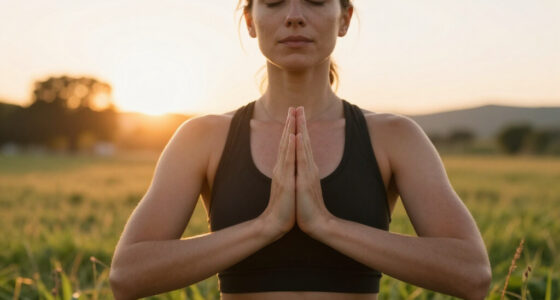
For example, a runner might use a quick breath awareness before a race to center themselves, helping maintain pace and technique even in chaotic moments. Regular practice boosts your ability to stay present, which is crucial during long sessions or repetitive drills.
Studies show that athletes practicing mindfulness report better concentration and fewer lapses, especially during high-pressure situations. It’s not just mental chatter—it’s about training your brain to stay on task when it matters most.
Deepening your focus through meditation allows you to better filter out irrelevant stimuli, which is vital in competitive environments where distractions can lead to mistakes or lost opportunities. This mental clarity translates into more consistent technique and decision-making under pressure, ultimately impacting your performance positively.
As an affiliate, we earn on qualifying purchases.
How Meditation Builds Calm to Tackle Pressure and Nerves
Meditation helps you experience nervousness without reacting impulsively. When you’re about to compete, a racing heart or sweaty palms are normal, but meditation teaches you to observe these sensations without letting them override your decisions.
Imagine a volleyball player feeling anxious before serve. A brief mindful pause—focusing on breath or sensations—can prevent that anxiety from spiraling into mistakes. Over time, athletes learn to experience pre-competition arousal as energy, not chaos.
Research indicates that regular meditation reduces rumination and emotional reactivity, making it easier to stay steady during high-stakes moments.
By cultivating a calm mental state, meditation allows athletes to respond more adaptively to stressors, rather than reacting instinctively. This mental resilience can be the difference between executing a skill under pressure and faltering when it matters most, especially in competitions where emotional control is key to peak performance.
As an affiliate, we earn on qualifying purchases.
Why Stress Management and Better Sleep Matter for Athletes
Meditation’s biggest indirect benefit might be helping you handle stress and get quality sleep. Both are vital for recovery, mood, and endurance. When stress levels drop, your body’s autonomic nervous system shifts toward rest and repair, not fight-or-flight.
Picture yourself after a tough workout. A five-minute body scan or calming breathing can signal your brain that it’s time to switch into recovery mode. This mental disengagement is critical because it prevents stress from lingering, which can impair sleep quality and recovery processes.
Better sleep isn’t just about feeling rested; it’s when your body repairs muscles, consolidates memories, and resets for the next day. Meditation promotes these processes by reducing stress hormones and calming the nervous system. Over time, this leads to deeper, more restorative sleep, which in turn enhances physical and mental resilience necessary for athletic excellence.
In essence, meditation acts as a tool to optimize your recovery cycle, ensuring you’re not only physically prepared but also mentally ready to perform at your best each day.
As an affiliate, we earn on qualifying purchases.
The Surprising Link Between Meditation and Pain Tolerance
Ever pushed through fatigue or discomfort during a workout? Meditation can change how you relate to pain and tiredness. It’s not about ignoring injury but about observing sensations without catastrophizing them.
For instance, a cyclist approaching a tough hill might use mindful breathing to tolerate muscular fatigue better. Over time, athletes report an increased ability to withstand discomfort without panic or frustration.
While meditation doesn’t numb pain directly, it influences pain perception by altering emotional responses to discomfort. This mental shift reduces the tendency to catastrophize pain, which often amplifies feelings of fatigue and discouragement. As a result, athletes can sustain effort longer and maintain focus despite discomfort, which can give a competitive edge in endurance events or intense training sessions.
Understanding pain as a multi-dimensional experience—where perception, emotion, and cognition interact—helps athletes develop a healthier relationship with discomfort, ultimately supporting sustained effort and resilience.
As an affiliate, we earn on qualifying purchases.
Getting Body-Aware: How Meditation Enhances Movement and Technique
Body scans and mindful movement practices boost your awareness of breathing, muscle tension, and posture. Recognizing early signs of fatigue or misalignment can improve technique and prevent injuries.
Picture a yoga athlete noticing tight shoulders during a pose. This awareness allows adjustments before discomfort turns into injury. In sports, being tuned into your body means better effort regulation and form refinement.
Deepening your body awareness through meditation can help you identify inefficient movement patterns or tension that may not be evident during fast-paced activity. This insight enables you to correct form proactively, reducing injury risk and improving overall efficiency. However, over-focusing internally can sometimes distract from automatic skills or disrupt fluid movement, so integrating mindfulness with proper training is key to balancing awareness and automaticity.
In the long run, enhanced proprioception from meditation can lead to more precise movements, better technique, and quicker recovery, all of which contribute to sustained athletic performance.
Building Resilience: Meditation for Recovery and Bouncing Back
Resilience isn’t just about bouncing back from setbacks; it’s also about maintaining mental steadiness during tough times. Meditation, especially self-compassion practices, helps athletes recover from mistakes or injuries without harsh self-criticism.
Imagine a runner missing a target pace. Instead of spiraling into frustration, mindfulness can help accept the slip and refocus. Over time, this fosters emotional resilience, making setbacks feel less overwhelming and more manageable.
This mental toughness isn’t just about pushing through adversity but also about cultivating a compassionate attitude toward oneself. By developing a kind, non-judgmental perspective, athletes can navigate setbacks with less emotional turmoil, which preserves motivation and reduces the risk of burnout. Research indicates that such mindfulness-based resilience practices help athletes maintain consistent effort and mental clarity, even under pressure, ultimately supporting sustained high performance.
How to Incorporate Meditation Into Your Training Routine
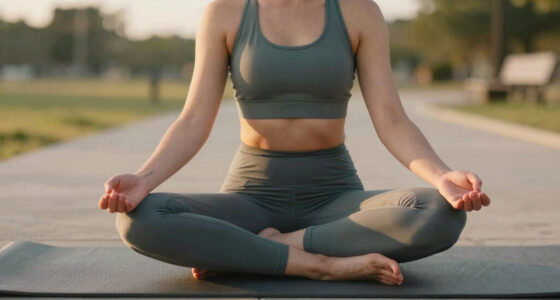
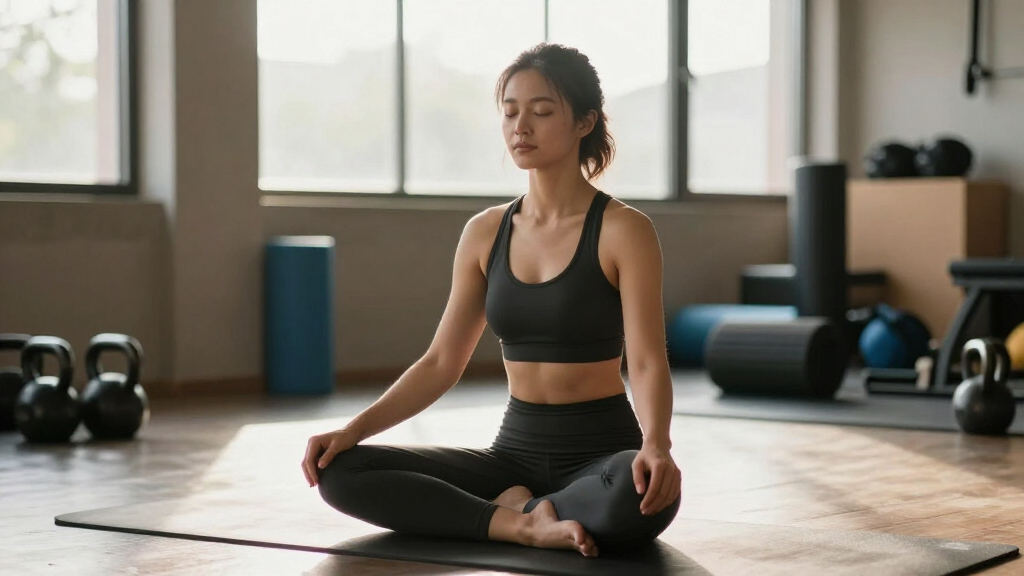
Consistency beats duration. Starting with just five minutes, three to five times weekly, can build a sustainable habit. Here’s a simple plan:
- Pick a quiet spot where you won’t be disturbed.
- Choose a focus—your breath, body sensations, or sounds.
- Set a timer for five to ten minutes.
- Gently bring your attention back whenever it wanders.
For example, do a quick breathing exercise before warming up or a body scan after training to mark the transition into recovery. These small moments, when practiced regularly, can lead to significant improvements in mental clarity and emotional regulation, which are crucial for consistent athletic performance over time.
Choosing the Best Meditation Technique for Your Goals
Different techniques serve different purposes. Here’s a quick guide:
| Technique | Best For |
|---|---|
| Focused-attention meditation | Sharpening concentration, redirecting attention during activity |
| Open-monitoring mindfulness | Noticing thoughts and sensations without judgment |
| Body scan | Enhancing body awareness, aiding recovery |
| Breath-focused practice | Calming nerves, quick reset before or after activity |
| Loving-kindness/self-compassion | Building emotional resilience after setbacks |
| Walking meditation | Movement-based focus, suitable for those who dislike sitting |
Select a technique aligned with your specific needs—whether it’s focus, recovery, or emotional steadiness.
What You Should Know Before You Start Meditating
Meditation is generally safe, but a few caveats exist. People with trauma, severe anxiety, or dissociation should start with shorter, guided practices and consider professional guidance. Never force yourself into stillness if it causes distress.
Remember, meditation is a skill. It takes time and patience. Don’t expect instant calm or focus—think of it as training your mental muscles, just like physical ones.
And keep in mind: meditation supports your overall health and performance but isn’t a substitute for proper training, sleep, nutrition, or medical care.
Frequently Asked Questions
Can meditation make me faster or stronger?
Meditation doesn’t directly increase strength or speed. But it can improve your focus, stress handling, and recovery, which over time can support better training and performance outcomes.
How quickly will I notice the benefits?
Some immediate effects like calm and focus can occur within minutes of practice. More lasting benefits, like improved resilience and sleep, typically develop over several weeks of consistent practice.
How long should I meditate each session?
Starting with five to ten minutes, three to five times a week, is effective. Longer sessions are not necessarily better—in fact, shorter, regular practice often yields better adherence and results.
Should I meditate before or after workouts?
It depends on your goal. Use pre-workout meditation to boost focus and calm nerves. Post-training, it helps with recovery and mental disengagement. Both are beneficial in different ways.
Can meditation replace warm-up or cool-down routines?
No. Meditation complements physical routines but does not substitute mobility work, stretching, or proper recovery protocols.
Conclusion
Think of meditation as a mental gym—that small, regular effort can strengthen your focus, resilience, and recovery. It’s not about instant gains but building a steady foundation for better performance over time.
Next time you lace up or step onto the field, remember: a few mindful breaths might just give you the edge you’re looking for. Your best performance isn’t just physical; it’s in your mind as well.
Fall Picks
fall essentials
As an affiliate, we earn on qualifying purchases.