
TL;DR
A woman experienced severe muscle injury and was hospitalized after an intense gym session. Doctors confirmed she had exertional rhabdomyolysis with a CK level of 57,000. The incident underscores the dangers of pushing too hard during exercise, even for fit individuals.
A woman was hospitalized in January 2025 after experiencing severe muscle pain, weakness, and dark urine following an intense workout session. Doctors confirmed she had exertional rhabdomyolysis, a serious condition caused by extreme exercise, highlighting the potential dangers of pushing oneself too hard during physical activity.
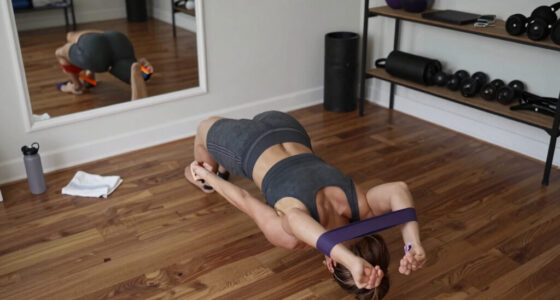
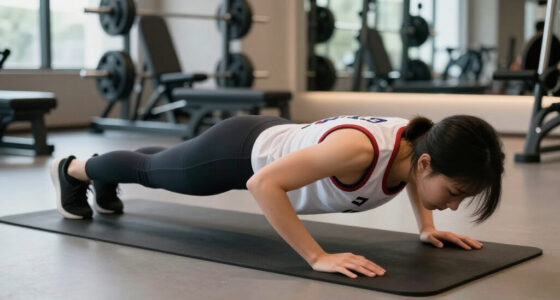
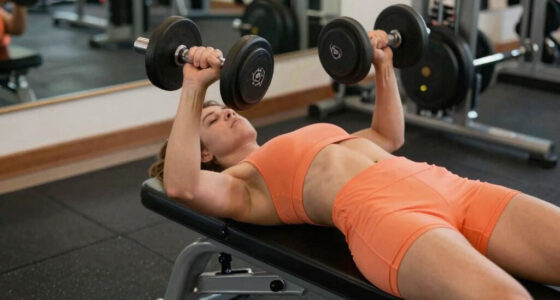
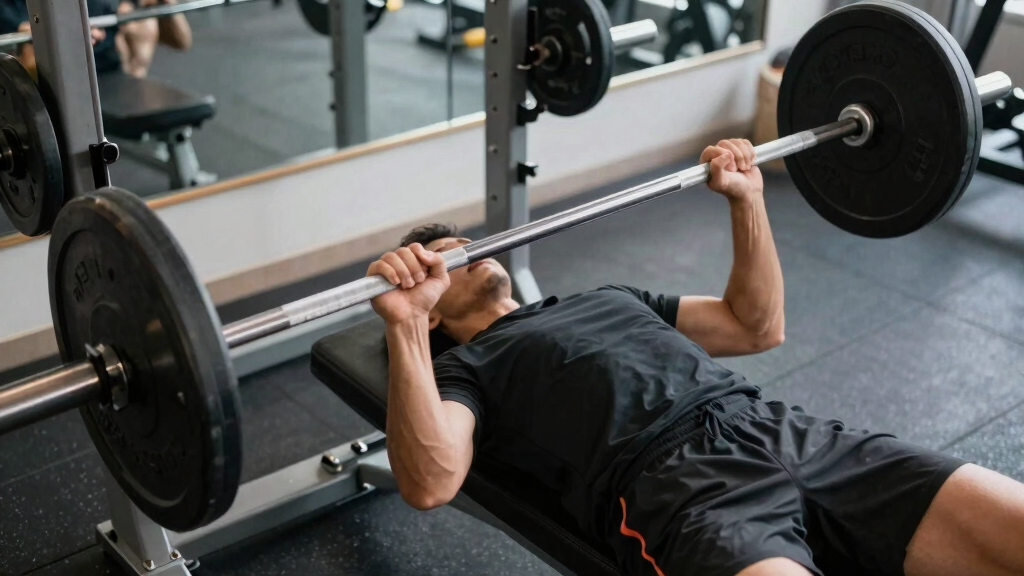
The woman attended her first bootcamp class on January 2025, after a day of stress and anxiety. The workout involved high-intensity exercises, including push-ups and weight-bearing movements, which she pushed herself to complete despite exhaustion. She initially dismissed her symptoms as typical post-exercise soreness but soon developed severe muscle pain, weakness, and dark urine.
She sought emergency care two days later, where blood tests revealed an extraordinarily high level of the muscle enzyme creatine kinase (CK) at 57,000 units per liter—far above the threshold for diagnosis. She was admitted to hospital for a seven-day stay, during which she received IV fluids to prevent kidney damage. Her condition was diagnosed as exertional rhabdomyolysis, a potentially life-threatening complication of extreme exercise.
Risks of Intense Exercise for All Fitness Levels
This incident underscores that exertional rhabdomyolysis can affect anyone, regardless of fitness level, if they push their muscles beyond safe limits. It highlights the importance of listening to one’s body, gradually increasing exercise intensity, and seeking medical attention for unusual symptoms. Awareness of the condition can prevent severe complications, including kidney failure and death.

Amazon Basics High-Density Foam Roller for Exercise and Recovery, 18 Inches, Black
- Color: Black
- Use: Exercise and recovery
- Length: 18 inches
As an affiliate, we earn on qualifying purchases.
As an affiliate, we earn on qualifying purchases.
Rhabdomyolysis and Exercise: What You Need to Know
Exertional rhabdomyolysis is a rare but serious condition caused by muscle damage from extreme physical activity. It often results from sudden increases in exercise intensity or unfamiliar workouts. While traditionally associated with athletes, recent studies suggest the condition is increasingly reported among general gym-goers and first-time exercisers. Blood tests measuring CK levels are used for diagnosis, with levels above 1,000 units per liter indicating potential concern. The condition can lead to kidney injury, and in rare cases, death. Experts emphasize gradual progression in exercise routines and prompt medical care for symptoms like severe pain, weakness, or dark urine.
“Anybody that’s pushed to an extreme, taking a big jump in their exercise level, or doing something they’re not used to doing, can develop rhabdomyolysis.”
— Dr. Barry Boden, orthopaedic surgeon

Lightweight Hydration Backpack, Running Backpack with 2L Water Bladder
- Lightweight Design: Only 8.5 oz with 2L bladder
- Durable Waterproof Material: Tear-resistant, PU coated nylon fabric
- Leakproof Water Bladder: BPA-free, food-grade PEVA, secure hose clamp
As an affiliate, we earn on qualifying purchases.
As an affiliate, we earn on qualifying purchases.
Unclear Scope and Prevention Strategies
While the woman’s case confirms exertional rhabdomyolysis can occur in healthy individuals, the exact prevalence remains uncertain due to underreporting and misdiagnosis. It is also not yet clear how best to prevent such incidents universally, as individual susceptibility varies and guidelines for safe exercise progression are still evolving.

Zeacool Fitness Tracker with 24/7 Heart Rate, Blood Oxygen Blood Pressure Sleep Monitor, Activity Trackers 5 ATM Waterproof,Step Calorie Counter Pedometer Health Smart Watch for Women Men (Black)
- Heart Rate Monitoring: 24/7 real-time heart rate tracking
- Blood Oxygen & Pressure: Monitors blood oxygen and blood pressure
- Sleep & Temperature Tracking: Tracks sleep patterns and body temperature
As an affiliate, we earn on qualifying purchases.
As an affiliate, we earn on qualifying purchases.
Monitoring and Public Awareness of Exercise Risks
Healthcare professionals and fitness trainers are expected to increase awareness of exertional rhabdomyolysis, emphasizing gradual exercise progression and early symptom recognition. Further research may clarify risk factors and develop standardized prevention guidelines. The woman’s case serves as a cautionary example for gym-goers to exercise safely and seek prompt medical care if symptoms arise.
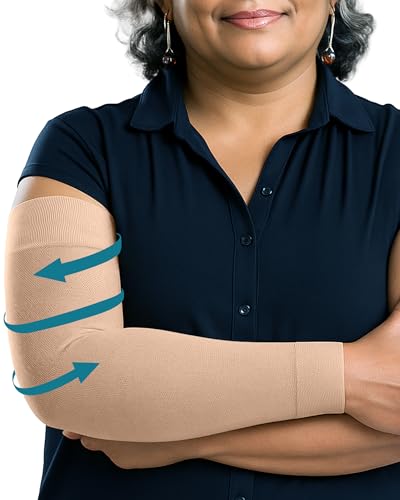
KEMFORD Lymphedema Compression Arm Sleeves for Women – 15-20 mmHg, Silicone Grip, 1 Pair, Beige, S/M – Arm Support for Swelling & Edema
- Medical-grade compression fit: Snug, supportive arm sleeves
- Accurate size selection: Measure upper arm for proper fit
- Effective swelling relief: Reduces lymphedema and edema
As an affiliate, we earn on qualifying purchases.
As an affiliate, we earn on qualifying purchases.
Key Questions
What is exertional rhabdomyolysis?
It is a serious condition caused by muscle damage from extreme exercise, leading to the release of muscle cell contents into the bloodstream, which can harm the kidneys.
What are the symptoms of exertional rhabdomyolysis?
Common symptoms include severe muscle pain, weakness, and dark urine. Some people may experience only some of these symptoms.
Can anyone develop this condition?
Yes, exertional rhabdomyolysis can affect individuals of all fitness levels if they push beyond their limits or suddenly increase exercise intensity.
How is it treated?
Early treatment involves aggressive IV hydration to protect the kidneys. Severe cases may require hospitalization and close monitoring.
How can I prevent exertional rhabdomyolysis?
Gradually increase exercise intensity, listen to your body, and seek medical advice if you experience unusual muscle pain, weakness, or dark urine.
Source: Guardian Life