
TL;DR
Focusing on proper form is more critical than lifting heavier weights. Good technique reduces injury risk, improves muscle engagement, and builds a strong foundation for lasting progress.
Ever seen someone struggle with a heavy lift but sacrifice their form in the process? It’s a common scene — and it’s risky. The truth is, lifting heavier isn’t the goal; lifting smart is. When you focus on form, you set yourself up for consistent progress, fewer injuries, and a stronger body over time.
This guide breaks down why proper technique trumps sheer weight, how to build good habits, and what mistakes to avoid. Think of your workout as a building project: solid foundations matter more than the size of the bricks you stack.
Prioritize mastering proper form at lighter weights before adding more load.
Good technique distributes stress safely, reducing injury risk especially in complex lifts.
Recording your lifts helps identify and correct form mistakes early.
Gradual progression with focus on form builds a stronger, more resilient body over time.
Investing time in form pays off with better gains and fewer setbacks.
Why Form Matters More Than the Weight on the Bar
TL;DR: Proper form is the foundation of safer, stronger lifting. Technique distributes stress well, recruits the right muscles, and makes progress repeatable instead of fragile.
Lifting heavier is not the goal. Lifting smart is.
Most training setbacks begin when load outruns control. Good reps build capacity; messy reps borrow progress from future recovery.
Form first
Master lighter loads before adding weight.
Record reps
Video exposes form drift early.
Good technique turns every rep into useful work.
Form is not just injury prevention. It is the operating system for muscle engagement, joint alignment, and repeatable progress.
Safer load paths
Neutral spine, stable shoulders, and aligned knees help distribute force through muscles and joints instead of vulnerable tissue.
Better recruitment
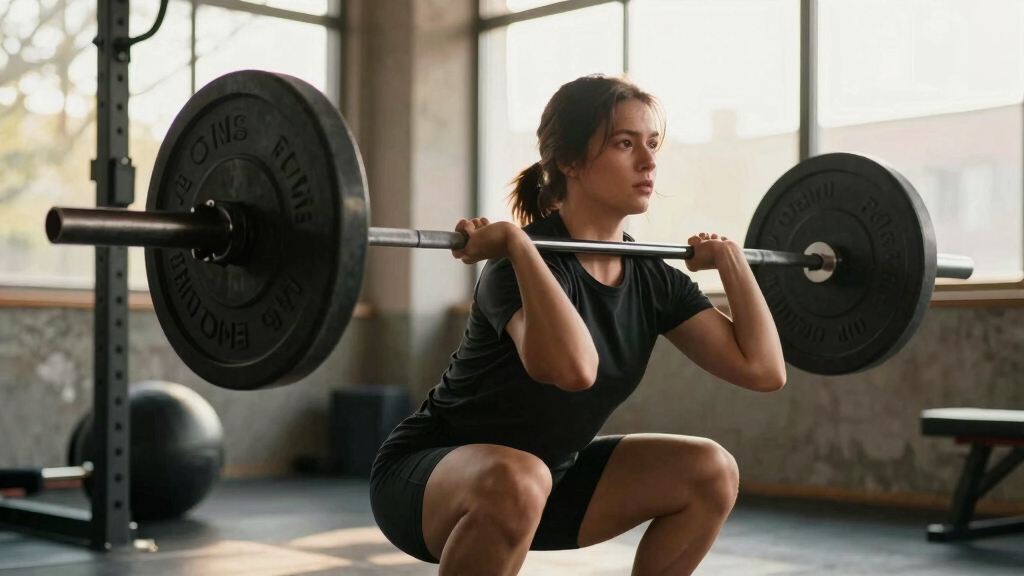
Precise movement activates the target muscles. In squats, sound knee tracking and hip control let quads, glutes, and hamstrings share the work.
Longer progress
Clean reps create a foundation for progressive overload. Poor reps accumulate small stresses that can become chronic setbacks.
Heavy with control beats heavier with compromise.
The difference is not toughness. It is whether the load is building capacity or teaching your body to compensate.
| Training choice | Joint stress | Muscle targeting | Progress quality | Long-term outlook |
|---|---|---|---|---|
| Clean lighter reps | ✓ Distributed safely | ✓ Target muscles engaged | ✓ Repeatable improvement | ✓ Fewer setbacks |
| Heavy form breakdown | ✗ Spine, knees, or shoulders overloaded | ✗ Compensations take over | ~ Short-term lift, weak carryover | ✗ Higher injury exposure |
| Gradual progression | ✓ Adaptation matches demand | ✓ Skill stays intact | ✓ Sustainable overload | ✓ Stronger foundation |
When intensity rises, technique has to rise with it.
Fatigue, speed, and ego loading are the classic conditions where posture and control begin to slip.
Deadlift warning
Rounding the back under load can shift stress toward the spine. A lighter bar with a braced torso is stronger training than a heavier bar with a collapsed position.
Squat warning
Knees caving inward can reduce muscle engagement and increase stress on ligaments and cartilage. Alignment turns the rep back into useful strength work.
A simple system for building form that holds up.
Technique becomes durable when it is practiced before fatigue, checked during work sets, and protected when adding load.
Warm up
Use mobility and lighter sets to prepare the positions the lift demands.
Set cues
Brace, align, grip, and choose a tempo before the first working rep.
Record reps
Check the lift from the side and front to catch form breakdown early.
Add slowly
Increase weight only when the previous load looks controlled across sets.
Repeat
Consistency turns clean reps into lasting strength and resilience.
Progression readiness scale
How smart lifting compounds.
Every clean rep connects awareness, alignment, muscle engagement, and sustainable overload.
Feedback
Video or coaching shows what your body is actually doing.
Correction
Small setup changes improve alignment and control.
Foundation
Repeated clean reps build dependable movement patterns.
Overload
Weight increases gradually without losing technique.
Longevity
Fewer setbacks mean more productive training years.
Quick answers for form-first training.
Use these checks when deciding whether to increase weight or refine technique for another few sessions.
Why does form break down when weight increases?
Heavier loads magnify fatigue and weak positions. Master the movement at lighter weights before progressing.
How do I know if my form is correct?
Use mirrors, record lifts, compare against trusted instruction, or ask a coach for direct feedback.
Can I lift heavy without perfect form?
You may get away with it briefly, but the tradeoff is poor muscle targeting and higher injury risk.
When should I add weight?
Add load after several controlled sessions where technique stays consistent from first rep to last.
Why Proper Form Is Your Best Defense Against Injury
Proper form acts like a safety net. When you lift with correct technique, you distribute the load across muscles and joints in a way that minimizes strain. For example, rounding your back during a deadlift can put undue pressure on your spine — risking a herniated disc.
Imagine this: a lifter adds 20 pounds to the bar, thinking more weight means more gains. But if their form breaks down, they risk a serious injury. Conversely, lifting lighter with perfect form keeps you safe and lets you train consistently without setbacks.
Understanding why form matters at a deeper level reveals that it’s not just about avoiding immediate injury; it’s about protecting your body’s long-term health. Poor technique can cause microtraumas that accumulate over time, leading to chronic injuries or joint degeneration. By mastering proper form, you’re essentially investing in your longevity as a lifter, ensuring that your muscles, tendons, and joints can handle progressive overload safely. This understanding shifts the focus from short-term gains to sustainable training, emphasizing that sacrificing form for heavier weights is a false economy that can derail your progress and cause lasting harm.
As an affiliate, we earn on qualifying purchases.
How Good Form Boosts Your Gains
Form isn’t just about safety — it’s about effectiveness. When you execute lifts with precision, you activate the right muscles, which is crucial for optimal strength development. For example, during a squat, proper knee tracking and hip movement ensure that your quadriceps, hamstrings, and glutes are all engaged fully, leading to balanced muscle growth and reduced compensatory movements that can cause injury.
Think of an example: a beginner squats 100 pounds but with knees caving inward. Not only does this limit muscle engagement, but it also puts undue stress on the knee ligaments and cartilage. Over time, this improper form can lead to joint pain or injury, hindering progress. When they correct their form—keeping knees aligned with toes and maintaining a neutral spine—the muscles work more efficiently, and the risk of injury diminishes.
Deeply understanding the impact of form reveals that it’s not just about lifting safely but about maximizing muscle recruitment for strength gains. Proper technique ensures that each rep is as effective as possible, minimizing wasted effort and reducing the likelihood of compensatory movements that can lead to overuse injuries or muscle imbalances. In the long run, this means more consistent progress, fewer setbacks, and a more resilient, balanced physique.
As an affiliate, we earn on qualifying purchases.
Defining Proper Technique
Before you can apply good form, it’s essential to understand what proper technique actually entails. Proper technique involves specific body positions, controlled movements, and awareness of muscle engagement. For example, maintaining a neutral spine during deadlifts or ensuring knees track over toes during squats. These principles create a blueprint for safe and effective lifting.
But it’s not enough to memorize these cues; understanding why they matter helps reinforce their importance. Proper technique minimizes unnecessary strain, prevents compensatory movements, and ensures that the targeted muscles are being worked efficiently. When you grasp the ‘why’ behind each movement, you’re more likely to internalize good habits and recognize deviations that could lead to injury or reduced gains.
Furthermore, defining what proper form looks like in different lifts helps you tailor your training. For example, the stance width, grip, and torso angle vary between exercises but all aim to optimize muscle activation while maintaining safety. Knowing these specifics allows you to troubleshoot your form and make adjustments that promote longevity and progress.
weightlifting form correction tools
As an affiliate, we earn on qualifying purchases.
As an affiliate, we earn on qualifying purchases.
Applying Proper Form in Your Workouts
Knowing what proper form is only matters if you apply it consistently. This means paying attention during every set, especially as fatigue sets in. One effective strategy is to focus on slow, controlled reps that emphasize technique over speed. This not only improves muscle engagement but also helps you catch form breakdowns early.
Another tip is to use visual feedback—like mirrors or recording your lifts—to monitor your technique. Comparing your form to instructional videos or seeking feedback from a coach can help you identify and correct errors. Remember, small adjustments in your setup or movement pattern can have significant impacts on safety and gains.
Creating a routine that emphasizes warm-up, mobility work, and post-workout stretching also supports proper form by preparing your body and reducing stiffness. Over time, these habits reinforce good technique, making it more natural and sustainable. The key is consistency: every workout is an opportunity to practice and refine your form, ensuring long-term progress without setbacks.
strength training form recording device
As an affiliate, we earn on qualifying purchases.
As an affiliate, we earn on qualifying purchases.
Conclusion
Focusing on form isn’t a sign of weakness — it’s the smartest way to lift safely and build strength that lasts. Think of your body as a delicate machine: proper technique is the oil that keeps everything running smoothly. The next time you hit the gym, remember: heavier isn’t better if your form falters.
Lift smart, stay safe, and watch your progress grow steadily. After all, it’s not just about how much you lift — it’s about how well you lift it.
Frequently Asked Questions
Why does my form break down when I lift heavier?
As weights increase, fatigue and lack of focus can cause your technique to slip. It’s best to master your form at lighter weights first and increase gradually, ensuring your technique stays intact.How do I know if my form is correct?
Using a mirror, recording your lifts, or seeking feedback from a coach can help. Comparing your movements to instructional videos also offers valuable insights to refine your technique.Can I lift heavy without perfect form?
While some may lift heavier temporarily, it’s risky. Poor form increases injury chances and hampers long-term progress. Always prioritize technique over weight.What are common form mistakes to watch for?
Rounding your back, knees caving inward, overextending your neck, and using momentum instead of muscle are typical errors. Addressing these improves safety and effectiveness.How long should I focus on form before increasing weight?
Focus on perfecting technique at each weight for several sessions. Only increase when your form feels natural and controlled, usually after consistent practice.Conclusion
Focusing on form isn’t a sign of weakness — it’s the smartest way to lift safely and build strength that lasts. Think of your body as a delicate machine: proper technique is the oil that keeps everything running smoothly. The next time you hit the gym, remember: heavier isn’t better if your form falters.
Lift smart, stay safe, and watch your progress grow steadily. After all, it’s not just about how much you lift — it’s about how well you lift it.