
TL;DR
Listen free for 30 days with Audible
Thousands of audiobooks and originals — cancel anytime.
Start your free trialAs an affiliate, we earn on qualifying purchases.
Yoga enhances muscle tone, flexibility, and balance using body weight alone. Regular practice can lead to noticeable physical changes, making it a powerful, accessible form of fitness. It’s about functional strength, not just lifting heavy objects.
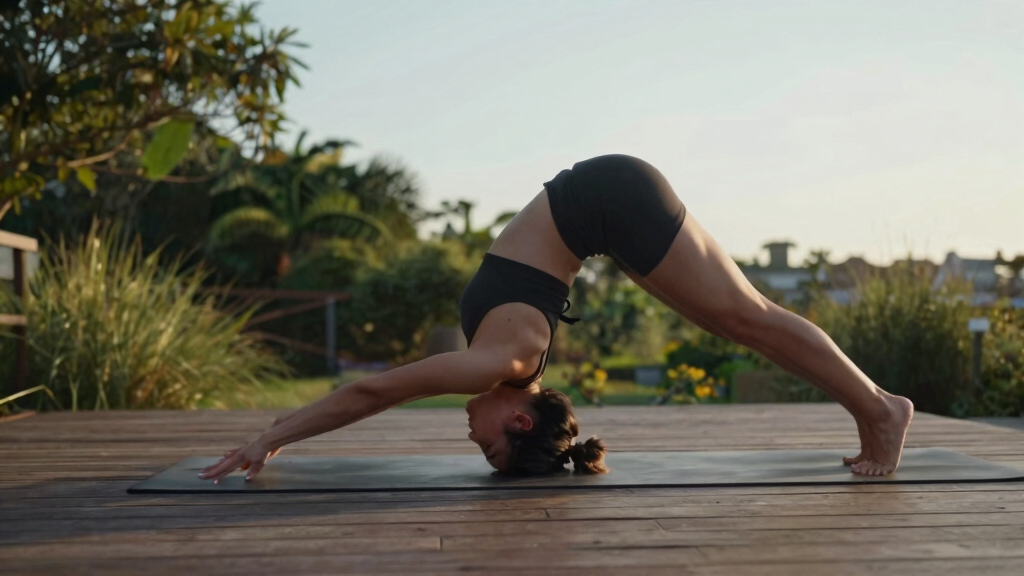
Imagine a workout that sculpts your muscles, improves your posture, and calms your mind—all without lifting a single heavy weight. That’s the promise of yoga. It’s often seen as just stretching or relaxation, but in reality, it’s a powerful tool for changing your body from the inside out.
In this guide, you’ll learn exactly how yoga uses your body’s own weight to build strength, boost flexibility, and improve balance. You’ll discover practical ways to incorporate yoga into your routine and see real changes—no gym required.
Consistent yoga practice can increase muscular endurance and flexibility without weights.
Yoga enhances stability and balance by strengthening stabilizer muscles and improving proprioception.
Proper alignment and core focus in yoga can correct posture and reduce related aches.
Mindfulness and breathing in yoga support overall physical health and stress management.
You don’t need heavy weights—your body weight and mindful movement can transform your body.
How Yoga Builds Strength Without Weights
Yoga uses your own body weight to challenge muscles in ways that promote strength and endurance. Think about holding a plank or Warrior pose—your muscles fire up to stabilize your body against gravity. Over time, these sustained contractions lead to muscle fiber recruitment and adaptation, similar to resistance training. This means your muscles become more capable of withstanding daily stresses and supporting your joints.
When you hold poses like Plank or Chair, you’re engaging multiple muscle groups simultaneously, which encourages balanced strength development rather than isolated muscle growth. This holistic approach helps prevent imbalances that can lead to injury. The tradeoff is that while yoga promotes functional strength and muscular endurance, it may not produce rapid hypertrophy or significant size increase like heavy weights do. However, the strength gained is often more useful for everyday activities, enhancing stability and reducing injury risk.
As an affiliate, we earn on qualifying purchases.
Flexibility and Range of Motion: How Yoga Loosens Up Your Body
Yoga stretches muscles and opens up stiff joints, making your movements more fluid. When you hold stretches like Forward Fold or Pigeon pose, you’re not just elongating muscles temporarily; you’re encouraging the development of longer, more elastic muscle fibers and improving joint capsule flexibility. This process involves breaking down adhesions and increasing the capacity of tissues to stretch without injury.
Consistent stretching in yoga also promotes better synovial fluid circulation within joints, which enhances their health and reduces stiffness over time. This increased mobility can significantly improve daily functional movements, like bending, reaching, or twisting. The tradeoff is that overstretching or pushing beyond your limits can cause injury, so listening to your body and progressing gradually is essential. Flexibility isn’t just about being able to touch your toes—it’s about maintaining healthy, pain-free movement that supports your overall quality of life.
As an affiliate, we earn on qualifying purchases.
Balance and Stability Boosted by Yoga Poses
Many yoga poses challenge your ability to maintain stability, strengthening muscles that support your joints and spine. For example, balancing in Tree pose or Warrior III requires engaging small stabilizer muscles that are often neglected in traditional workouts. These muscles include the intrinsic muscles of the feet, ankles, hips, and core, which work together to keep you upright and steady.
This enhanced proprioception—the body’s awareness of its position—improves coordination and reduces the likelihood of falls and injuries. For older adults, strengthening these stabilizers is crucial for maintaining independence. The tradeoff is that developing these muscles takes time and conscious effort; quick fixes are unlikely. Regular practice cultivates a body that responds more quickly to perturbations, creating a more resilient, steadier movement pattern that benefits all aspects of daily life.
As an affiliate, we earn on qualifying purchases.
Posture Perfected: How Yoga Fixes Your Alignment
Poor posture often results from weak or imbalanced muscles, especially in the upper back, shoulders, and core. Yoga emphasizes correct alignment through poses like Cobra, Bridge, and Mountain pose, which strengthen postural muscles and promote awareness of body positioning. Proper alignment not only looks more confident but also reduces undue stress on the neck, shoulders, and lower back, which are common sources of chronic pain.
Improving posture through yoga involves retraining the nervous system to recruit the right muscles during daily activities. This correction reduces compensatory movements and strain, leading to long-term benefits. The tradeoff is that posture correction is a gradual process requiring consistent practice and mindfulness. The payoff is a body that moves more efficiently, feels less painful, and projects confidence—enhancing both physical health and self-esteem.
As an affiliate, we earn on qualifying purchases.
Core Power: Why Your Abs Love Yoga
The core isn’t just about abs; it’s the foundation of all movement and stability. Yoga targets deep abdominal muscles—like the transverse abdominis and obliques—through poses like Boat and plank variations. These muscles act as the body’s natural corset, supporting the spine and pelvis during movement and at rest. Strengthening these muscles improves overall posture, reduces back pain, and enhances functional movements such as lifting or bending.
When you incorporate core-focused yoga routines regularly, you develop better control over your movements and a more resilient spine. The tradeoff is that core strengthening takes patience and consistency; superficial core work may not translate into real stability. The benefit of a strong core in yoga is that it creates a stable base for all other movements, reducing injury risk and improving athletic performance across various activities.
The Mind-Body Connection: How Yoga Changes Your Brain and Body
Yoga isn’t just physical; it weaves in breathing and mindfulness practices that fundamentally alter how your brain and body interact. This mental shift reduces stress and enhances mental clarity, which in turn influences physical health. Lower cortisol levels from regular mindfulness practice can decrease inflammation, improve immune function, and support better sleep—each contributing to a healthier body.
The sensory experience of focusing on breath and movement fosters parasympathetic nervous system activation, promoting relaxation and recovery. Over time, this integration of mind and body creates a resilient system that can better handle physical and emotional stresses. The tradeoff is that developing this awareness requires patience and consistent practice, but the long-term payoff is a more balanced, adaptable body and mind.
Quick Comparison: Yoga vs. Heavy Weights for Your Body
| Aspect | Yoga | Heavy Weights |
|---|---|---|
| Muscle Building | Builds strength using body weight, promotes endurance, and tones muscles—focusing on functional capacity rather than size. This approach encourages muscles to work in coordination, supporting joint health and preventing injuries common in overemphasis on hypertrophy. | Increases muscle size (hypertrophy), mainly focused on size and power. While effective for aesthetics or strength, it can sometimes neglect joint stability and flexibility, which are vital for overall health. |
| Flexibility | Enhances range of motion through sustained stretching and dynamic movements, leading to more elastic muscles and healthier joints. Flexibility in yoga is integrated into strength routines, promoting balanced development. | Limited; stretching is often added but not primary. Overemphasizing weightlifting without sufficient flexibility work can lead to stiffness and injury. |
| Balance & Stability | Improves proprioception and stabilizer muscles, which are crucial for injury prevention and functional movements. This makes yoga particularly beneficial for aging populations and athletes alike. | Focuses less on balance, more on isolated muscle strength. Balance training can be added separately but isn’t inherently emphasized in typical weight routines. |
| Accessibility | Low-cost, adaptable, accessible to all ages and fitness levels. Can be practiced anywhere with minimal equipment, making it sustainable for long-term health. | Requires equipment and space, more intimidating for beginners, and often associated with gym environments. May also pose a higher risk of injury if not performed correctly. |
| Mental Benefits | Reduces stress, improves focus and mindfulness, contributing to overall well-being. The mental aspect of yoga enhances motivation and consistency. | Primarily physical; mental benefits depend on engaging in other activities like motivational training or sports psychology. |
Frequently Asked Questions
Can yoga replace weightlifting for muscle building?
Yoga can build strength and tone muscles, especially in the core and stabilizer muscles. However, it might not produce the same hypertrophy as heavy lifting. It’s a different kind of strength—functional and sustainable, with mental benefits too.
How often should I practice yoga to see results?
Practicing 3 to 5 times a week is ideal. Even 15-20 minutes daily can lead to noticeable improvements in flexibility, strength, and balance within a few months.
Is yoga safe for beginners or people with injuries?
Yes, many styles are suitable for beginners and can be adapted for injuries. Always consult with a healthcare provider or experienced instructor before starting, especially if you have pre-existing conditions.
Can yoga help me lose weight?
Yes, particularly more vigorous styles like Power Yoga and Vinyasa. Combining yoga with a balanced diet can support weight management, but consistency is key.
Which yoga poses are best for toning muscles?
Poses like Plank, Warrior series, Chair pose, and Boat pose target multiple muscle groups for a leaner, more toned physique.
Conclusion
Yoga proves that strength and resilience come from within—no heavy dumbbells required. Its gentle yet powerful movements reshape your muscles, improve your posture, and quiet your mind. Next time you think about fitness, remember: your body is already equipped with everything it needs to grow stronger.
So, grab a mat, breathe deep, and enjoy the journey of mindful movement. Your body will thank you—steadily, silently, and beautifully.
Flea & tick season Picks
flea and tick prevention
As an affiliate, we earn on qualifying purchases.