
TL;DR
Open a free Amazon Business account
Business pricing, bulk buying and tax-exempt orders.
Create a free accountAs an affiliate, we earn on qualifying purchases.
Cycling is a low-impact activity that boosts heart health, strengthens muscles, and improves mobility. Recent innovations make it more accessible and joint-friendly, especially for those with joint concerns.
Cycling’s smooth, circular motion minimizes impact, making it ideal for joint health.
Recent bike tech—like adjustable seats and suspension—reduces stress and enhances comfort.
Proper fit, warm-up, and stretching are essential to prevent joint pain and injuries.
Cycling boosts cardiovascular fitness and muscle strength without the pounding of high-impact sports.
It’s suitable for all ages and fitness levels, especially for those with joint concerns or recovering from injury.
Why Cycling Is a Gentle Giant for Your Joints
Cycling is considered a low-impact exercise because it involves smooth, circular pedal strokes that minimize jarring forces on your joints. Unlike running or jumping, it doesn’t slam your knees, hips, or ankles into the ground. For example, someone recovering from knee surgery can often start cycling sooner than high-impact sports.
Imagine pedaling along a quiet park trail, feeling the cool breeze and hearing the rhythmic whir of the chain. It’s a calming, joint-friendly way to get your heart pumping, strengthen leg muscles, and boost endurance—all without the harsh impact that can aggravate joint pain.
ergonomic bike saddle for joint comfort
As an affiliate, we earn on qualifying purchases.
As an affiliate, we earn on qualifying purchases.
How Cycling Builds Cardio and Muscle Without the Jarring
Regular cycling elevates your heart rate, improving cardiovascular health in a sustainable way. A 30-minute ride can burn between 200-400 calories, depending on intensity, while also engaging the quadriceps, hamstrings, glutes, and calves.
Think of it like a gentle yet effective workout: you’re strengthening your muscles with each pedal stroke, which helps stabilize joints and reduce pain over time. Plus, because you can control the pace, you can push harder or slow down to suit your body’s needs.
| Intensity Level | Calories Burned (30 min) | Muscle Focus |
|---|---|---|
| Leisurely ride | 150-200 | Lower body, light endurance |
| Moderate pace | 250-350 | Quadriceps, hamstrings, calves |
| High-intensity interval | up to 400 | Muscle power, cardiovascular capacity |
suspension mountain bike for smooth ride
As an affiliate, we earn on qualifying purchases.
As an affiliate, we earn on qualifying purchases.
Recent Tech and Bike Features That Protect Your Joints
Modern bikes now come with ergonomic designs, adjustable seats, and suspension systems that absorb shocks. For instance, a mountain bike with front suspension can smooth out rough terrain, reducing impact on your knees and hips. E-bikes make longer rides accessible, especially for older adults or those with limited stamina.
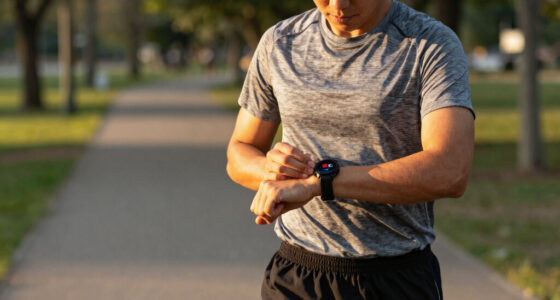
Wearable fitness trackers and smart apps help you monitor your heart rate, cadence, and power output. By staying within a safe zone, you can avoid overexertion and joint strain. It’s like having a coach that keeps you on track while protecting your joints.
Research from recent studies shows that these innovations not only enhance comfort but also encourage consistency—key for building and maintaining fitness without injury.
adjustable bike seat for proper fit
As an affiliate, we earn on qualifying purchases.
As an affiliate, we earn on qualifying purchases.
Practical Tips to Keep Your Joints Happy While Cycling
Here’s a simple step-by-step to ensure your rides are joint-friendly:
- Get a proper bike fit: Have a professional adjust your saddle height so your knee is slightly bent at the bottom of each pedal stroke.
- Warm up: Spend 5-10 minutes pedaling slowly to loosen up your muscles and joints before hitting higher intensities.
- Maintain good posture: Keep your back straight, shoulders relaxed, and elbows slightly bent to avoid unnecessary strain.
- Listen to your body: Reduce intensity or take breaks if you feel joint discomfort. It’s better to ride lightly than to push through pain.
- Stretch after riding: Focus on hamstrings, quadriceps, and hip flexors to keep joints flexible and reduce stiffness.
Imagine a Saturday morning ride in the park. You start slow, focus on your form, and finish feeling refreshed—not sore. That’s a sign you’re doing it right.
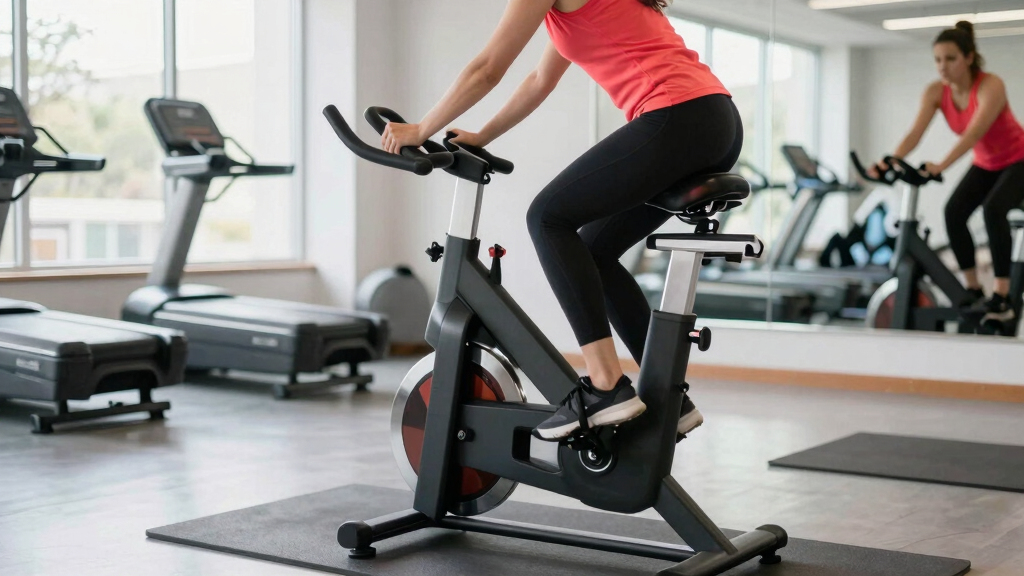
low-impact exercise bike for joint health
As an affiliate, we earn on qualifying purchases.
As an affiliate, we earn on qualifying purchases.
Frequently Asked Questions
Is cycling safe for people with knee or hip arthritis?
Yes, when done with proper bike fit and moderate intensity, cycling can be safe and even beneficial for joint health. Always consult your healthcare provider for personalized advice.How often should I cycle to see fitness benefits without harming my joints?
Most people find that 3-5 times per week, each session lasting 30-60 minutes, balances benefits with joint safety. Adjust based on your body’s response and avoid overexertion.What type of bike is best for joint health?
A well-fitted road bike, mountain bike, or stationary bike with adjustable settings and suspension helps reduce impact. Comfort and proper fit are more important than the bike type itself.Can cycling replace other forms of cardio?
Absolutely. Cycling offers excellent cardiovascular benefits and can complement other activities like swimming or walking for a varied, joint-friendly routine.Are there specific techniques to prevent joint pain while cycling?
Yes. Maintaining good posture, ensuring your bike is correctly fitted, warming up, and stretching after rides all help prevent joint discomfort.Conclusion
Think of cycling as a gentle giant—powerful enough to build your fitness, yet kind to your joints. With the right bike, proper technique, and a mindful approach, you can enjoy years of low-impact activity that keeps you healthy and active. So, hop on that bike and pedal your way toward better health—your joints will thank you for it.Flea & tick season Picks
flea and tick prevention
As an affiliate, we earn on qualifying purchases.